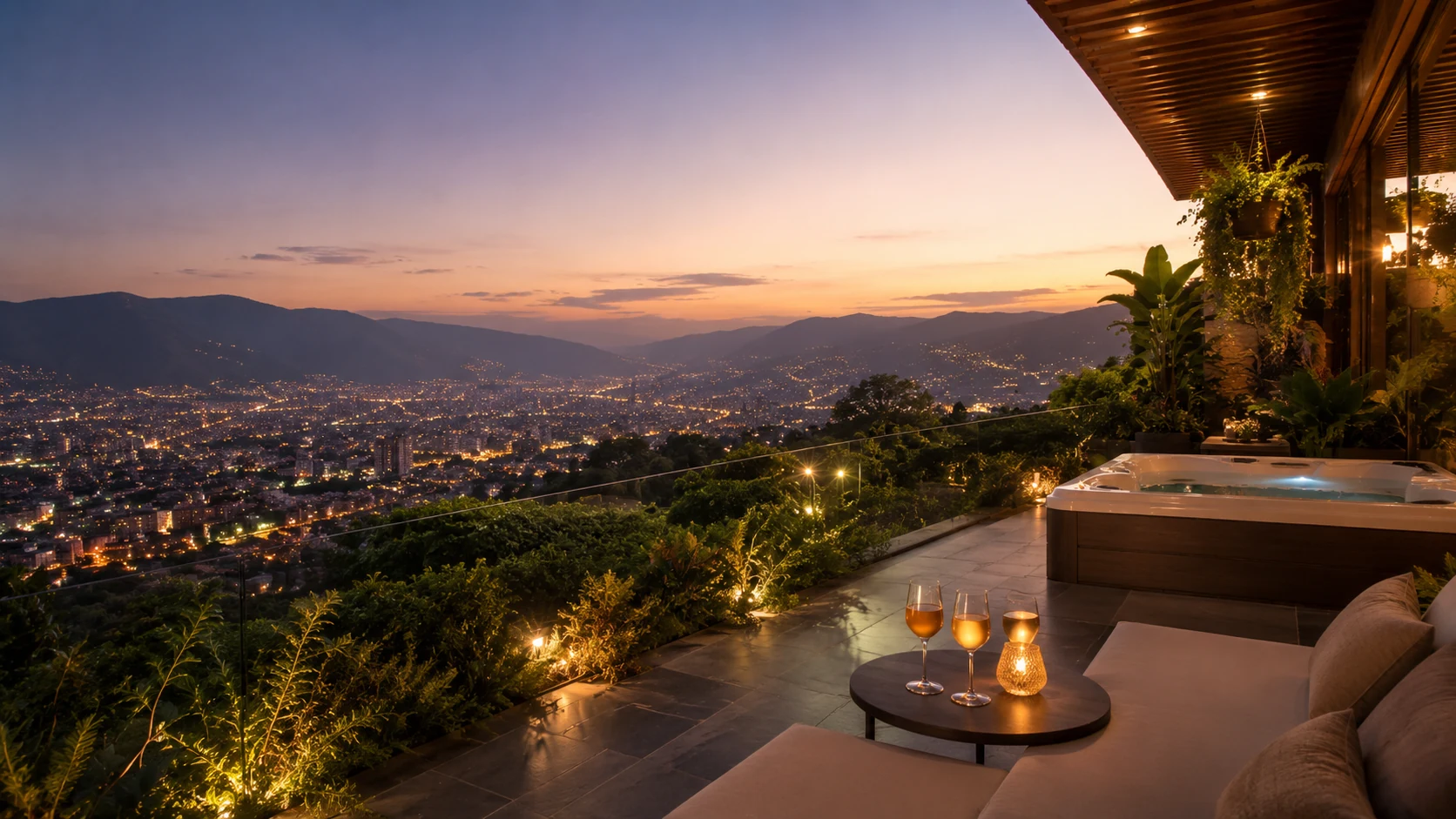
Vineyard-View King with Terrace
Strongest on the full Napa formula: vineyard light, world-class dinners on foot, wine country from the terrace. Tradeoff: mid-valley commands the valley's highest ADRs.
Vineyard mornings, tasting-room afternoons and the easiest luxury weekend in America
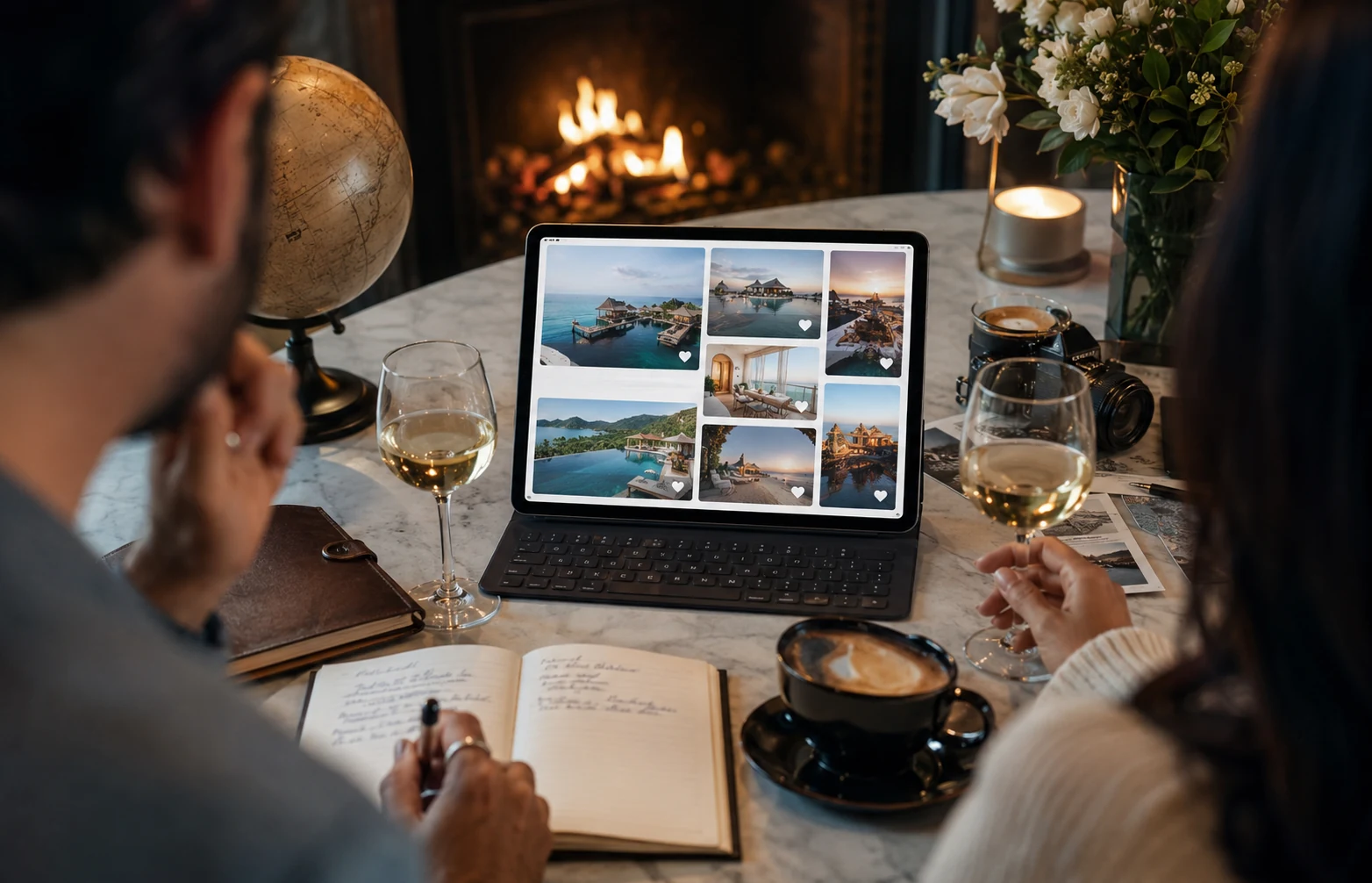
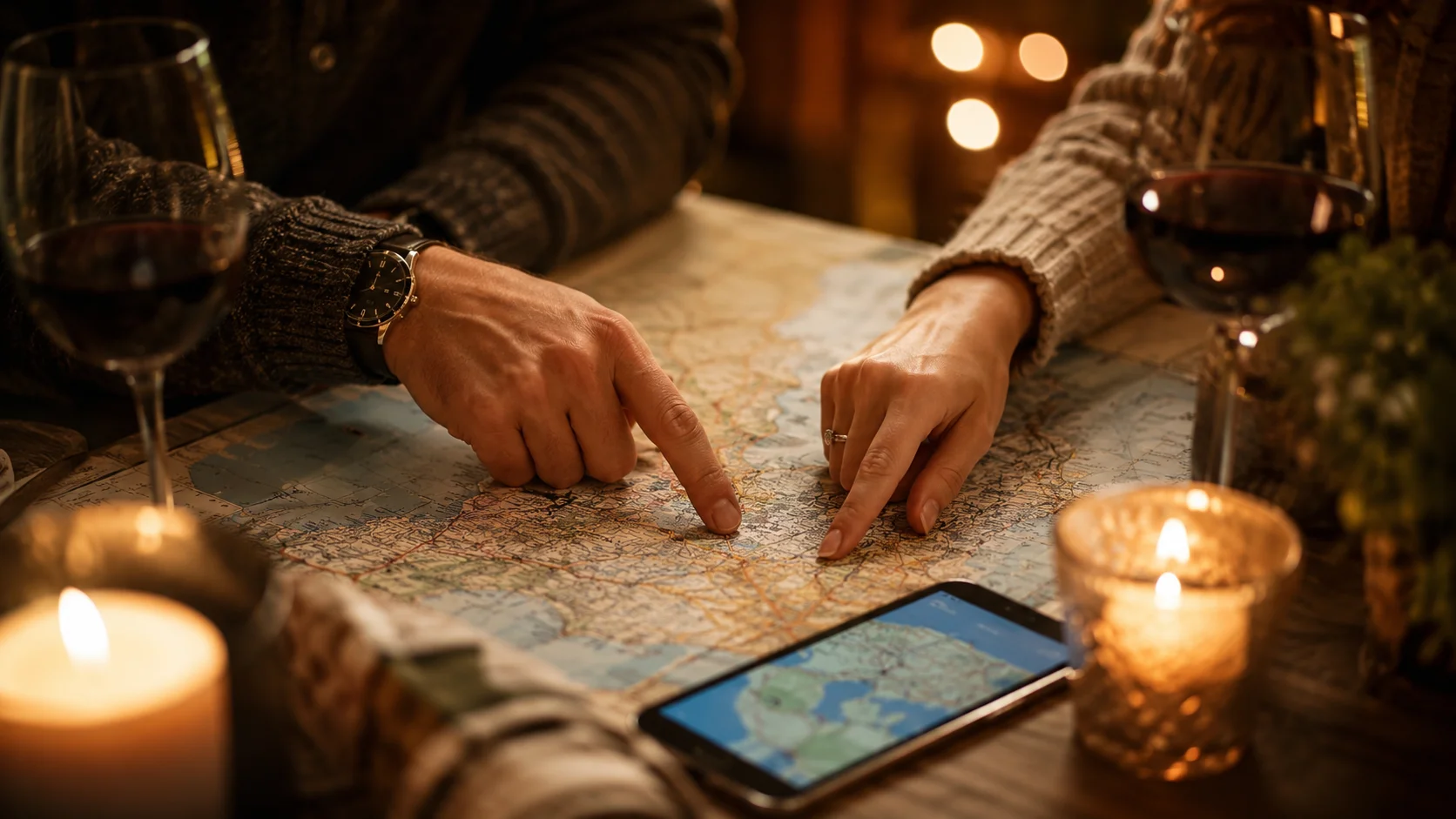
These visuals focus on room feel, atmosphere and those paired details that photos of landmarks miss.


Napa Valley is what a romantic weekend looks like when an entire region organizes itself around pleasure. Thirty miles of vineyards threaded with world-class restaurants, spa towns, and tasting rooms that range from farmhouse casual to architectural statement — all within an hour of San Francisco. No other American destination makes indulgence this frictionless: the distances are short, the standards are high, and the light, especially at harvest, is ridiculous.
The valley reads south to north like a menu. The town of Napa anchors the southern end with its riverfront and the Oxbow market's food stalls. Yountville, mid-valley, packs more culinary firepower per block than almost anywhere on earth. St. Helena does polished main-street wine-country charm, and Calistoga, at the top, adds hot springs and mud baths — the valley's spa soul. Couples do best choosing one town as home and letting the valley come to them in two-tasting-a-day doses.
The honest advice for a first couples' trip: fewer wineries, longer lunches. Two tastings a day — one appointment somewhere special, one casual — with a long meal between is the rhythm the valley was built for; five tastings is a logistics exercise with a headache attached. Book the marquee restaurants and appointment-only estates weeks ahead, settle the driving question before the first pour, and spend at least one evening doing nothing more ambitious than a porch, a bottle you carried home, and the vineyard rows going gold.
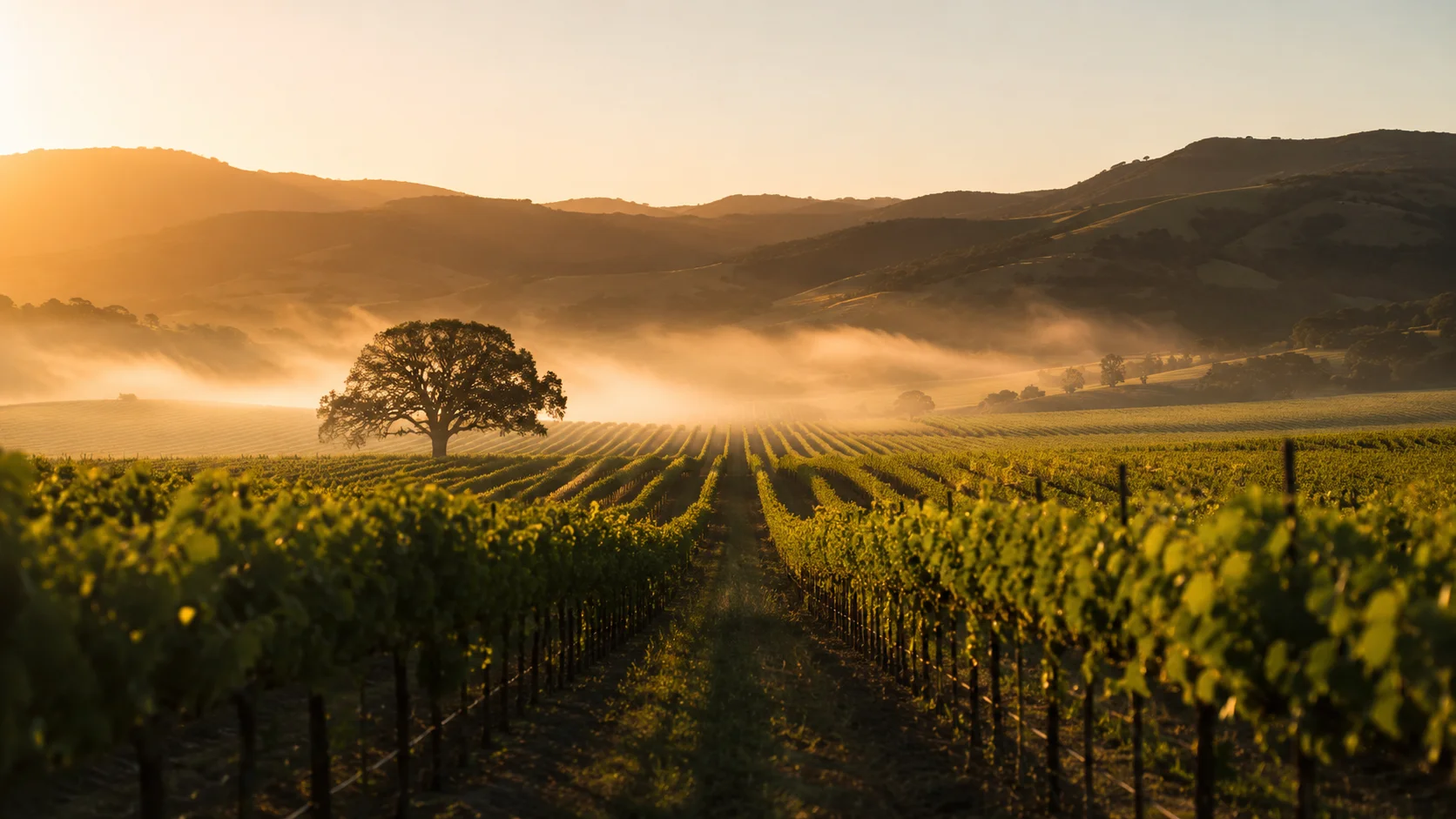
Napa's appointment-only estates — cave tours, terrace pours, vineyard walks — are the memorable tier. Book one per day and fill around it casually; the contrast is the luxury.
The valley's sparkling-wine houses pour on terraces built for late light. It's the classic Napa aperitivo and the best-value glamour in the region.
Dawn hot-air balloon flights float over the fog-striped vineyards — a splurge, a cliché, and by every couple's report, entirely worth both. Book ahead; mornings-only, weather permitting.
The valley's northern town has soaked visitors in geothermal water and volcanic mud for over a century. A couples' mud bath is exactly as funny and as good as it sounds.
A single walkable stretch holds some of America's most decorated kitchens alongside superb bakeries and casual patios. One blowout dinner plus one long courtyard lunch is the format.
Flat, paved and threaded through vineyards, the Napa Valley Vine Trail turns a tasting day into a slow, giggly bike date — with a designated-driver problem solved by pedals and moderation.
Best overall, best splurge and best value. Use these before you open listings — they set the right expectations.
Strongest on the full Napa formula: vineyard light, world-class dinners on foot, wine country from the terrace. Tradeoff: mid-valley commands the valley's highest ADRs.
Strongest on cocoon factor — the upper-valley resorts do private-terrace soaking-tub romance at the national top tier. Tradeoff: this is special-occasion pricing, full stop.
Strongest on value in a valley that resists it: the town of Napa delivers walkable evenings and the market's food halls below up-valley prices. Tradeoff: you'll drive to the famous estates.
We score each editorial pick on the five things that most change how romantic a stay actually feels in person.
Example: 9.1/10 means the stay offers standout privacy, atmosphere and location for its tier.
Affiliate disclosure: Hosting Lovers may earn a commission when you book through our links — at no extra cost to you.
Browse real-time availability and prices from Booking.com, Expedia, Vrbo and more — all on one map.
Harvest — roughly August through October — is Napa's cinematic peak: crush in motion, vineyard rows going gold, energy everywhere, and prices and crowds to match; book well ahead. Spring (March–May) is the connoisseur's counterpoint: mustard flowers between the vines, green hills, gentler rates and easy reservations. Summer is reliably sunny and social; winter, called 'cabernet season' by the valley itself, means fireplaces, misty mornings, unhurried tasting-room conversations and the year's best hotel deals. Whatever the season, midweek transforms the experience — same valley, half the company.
Best for food pilgrims and walk-everywhere stays.
Culinary center of gravity.
Best for hot springs, mud baths and relaxed charm.
The spa-town top of the valley.
Best for value, the Oxbow market and river walks.
The practical, livelier southern anchor.
Arrive by afternoon, one casual porch-style tasting near your hotel, then the anchor dinner you booked weeks ago — Napa rewards starting with the food.
The set-piece day: dawn balloon if you dared, one appointment estate tasting, a long Yountville lunch, pool hours, sparkling terrace at golden hour.
Calistoga morning — mud bath or springs soak — an easy final tasting on the Silverado Trail, and a picnic from Oxbow for the road.
This is where we get practical about what to splurge on and what to skip.
One appointment-only estate experience and one genuinely great dinner. Those two peaks define the trip; everything else can be casual without the weekend losing an ounce of luxe.
Skip the five-winery day. Past the second tasting, palates blur and the drive math darkens — Napa is a marathon valley that punishes sprinting.
Tasting fees are real and rarely waived anymore, and the famous restaurants book out weeks ahead. Budget both honestly and reserve before you leave home, not from the hotel lobby.
Line this up early when arrival simplicity matters.
Often worth it for countryside and coastal regions.
Most important on costlier or international trips.
Useful when maps, rideshares and restaurant searches matter daily.